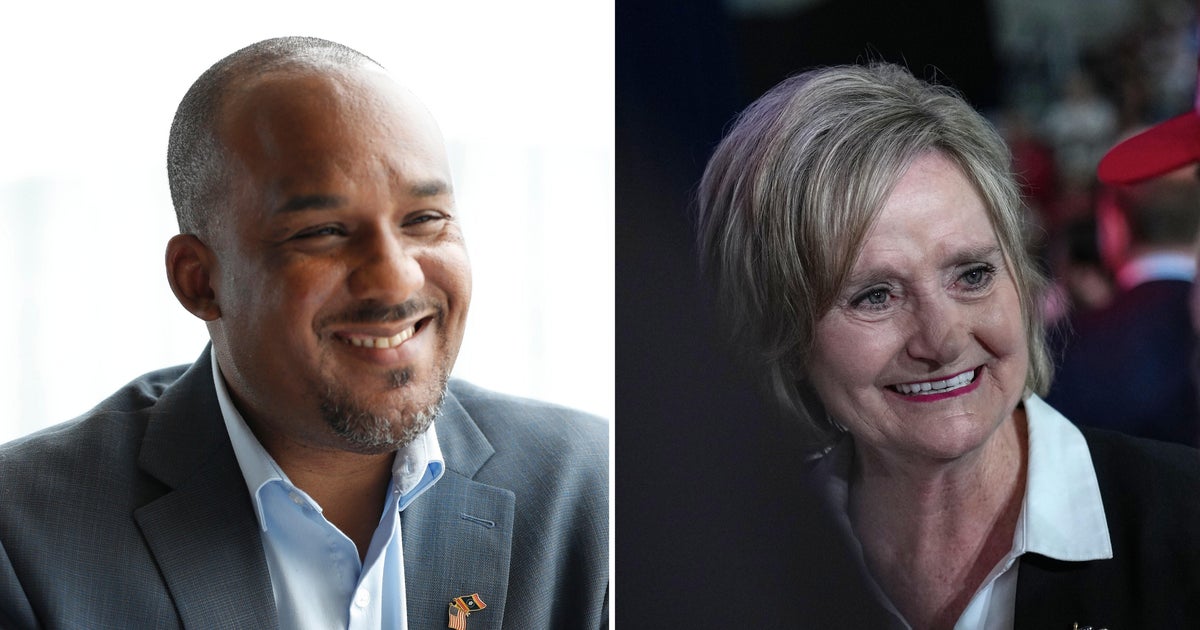
In a state that has not elected a Democrat to the U.S. Senate since 1982, the 2026 midterm election in Mississippi has produced an extraordinary, unexpected standoff. Republican Sen. Cindy Hyde-Smith, seeking reelection to the seat she has held since 2018, finds herself locked in a nail-biting finish against Democratic challenger Scott Colom. With the vast majority of precincts reporting, the contest remains unresolved, held in balance by an exceedingly narrow margin of votes.
The razor-thin gap in Mississippi arrives against the backdrop of broader Democratic gains across the country. Following a series of competitive Senate pickups—including victories in states carrying significant Republican margins during the previous presidential cycle—Democrats secured enough seats to claim control of the chamber for the upcoming legislative session. Should Colom manage to hold his ground as the final ballots are processed, it would expand that incoming majority and cap off one of the most stunning political developments in modern Southern electoral history.
The Candidates and the Campaign
Hyde-Smith, 67, entered the election as the established favorite, reflecting the state's deep-red track record. However, Colom, a 43-year-old district attorney and seventh-generation Mississippian, mounted a focused campaign centered on healthcare access and localized cost-of-living concerns. Though national Democratic organizers began directing resources toward the race in its final weeks after spotting movement in internal polling, an outright victory in a state carried by double digits in 2024 was widely considered a long shot leading into Tuesday night.
Speaking to supporters during the early hours of Wednesday morning, Colom voiced confidence in how the late tallies were shaping up. "The results are all trending in our direction," Colom said. "We are trending in counties that people thought we had no chance to compete in. And we're winning them."
Outstanding Ballots and Unique State Rules
Because Mississippi law allows for mail-in and absentee ballots arriving through the post-election grace period to be processed before final certification, local election workers are taking time to verify remaining mail-in and provisional votes. Public attention has focused heavily on county-level variations, with political observers watching whether outstanding ballots in high-density urban areas like Jackson or in rural strongholds will ultimately shift the final balance.
The situation has also turned a spotlight on Mississippi's election statutes. Unlike many other states, Mississippi lacks a standard statutory framework for automatic recounts in close or contested federal races, requiring candidates to seek judicial intervention if they wish to challenge the certified result. Observer commentary has highlighted how this procedural structure creates an unusual dynamic for a race separated by such a slight margin.
Broader Implications for National Politics
Beyond Mississippi, the eventual certification of the vote, along with another unresolved contest in Alaska, will determine the exact size of the incoming Senate majority. Observers note that high turnout and shifting margins in traditionally solid states illustrate how localized messaging and targeted campaign investments can reshape competitive boundaries.
For now, election officials across Mississippi continue the methodical work of counting remaining eligible ballots, while voters and political observers nationwide wait for the final tally.

